

Explore World of Warcraft with Wendy Jimenez
Join Wendy Jimenez, a dedicated WoW expert, for in-depth guides, the latest news, and engaging gameplay tips. Connect with a vibrant community of fellow gamers and enjoy exclusive content crafted by a passionate player.

Join the Conversation
Leave comments on blog posts to share your thoughts, ask questions, and interact with other World of Warcraft enthusiasts. Your feedback and experiences are valuable and help create a vibrant community.

Follow on Social Media
Stay connected and get the latest updates, behind-the-scenes content, and WoW tips by following Wendy on Twitter, Instagram, and Facebook. Participate in discussions, polls, and live Q&A sessions.

Subscribe to the Newsletter
Never miss out on exclusive content, special giveaways, and early access to new articles by subscribing to Wendy’s newsletter. Join the community of readers who get the latest insights delivered straight to their inbox.
And there’s even more!
Discover My Latest Posts
-
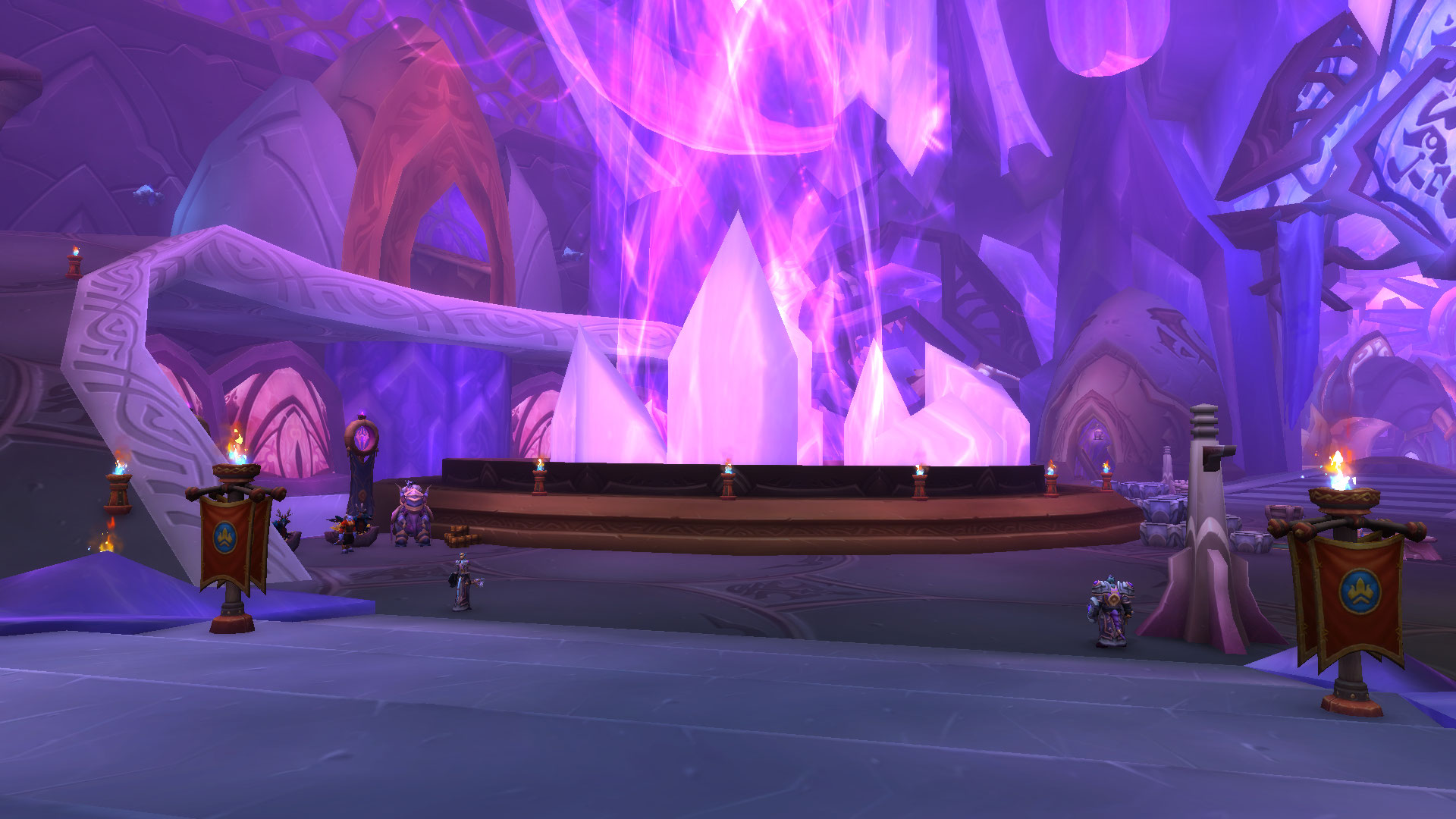
Naaru Cosmic Lore: Holy Crystal Beings, The Exodar Crash, and the Purification of the Sunwell
The Naaru are enigmatic beings of light and cosmic energy in the Warcraft…
-

Turning Raw Materials into Steady WoW Gold Streams on the Server Auction House
The Power of the Auction House The auction house is the heart of…
-
The Class Identity Crisis: Why Every Choice Used to Matter
In World of Warcraft, class identity has historically been one of the game’s…
-
The Transition of the Mage: From Classic’s Decurse and Water Bot to MoP’s High-DPS Powerhouse
The evolution of the Mage class in World of Warcraft reflects a remarkable…
-

Healing Assignments: Know Your Role, Save Your Team
Healing assignments organize healer responsibilities during raid encounters. Proper assignment distribution prevents overhealing,…
-
WoW Crafting Orders Guide: How to Get Gear Made Without Overpaying
Mastering the Crafting Order system in World of Warcraft is a distinct navigational…
-

Buy WoW Raid Carry for Heroic and Mythic: Is It Worth It?
Introduction Heroic and Mythic raids in World of Warcraft offer some of the…
-
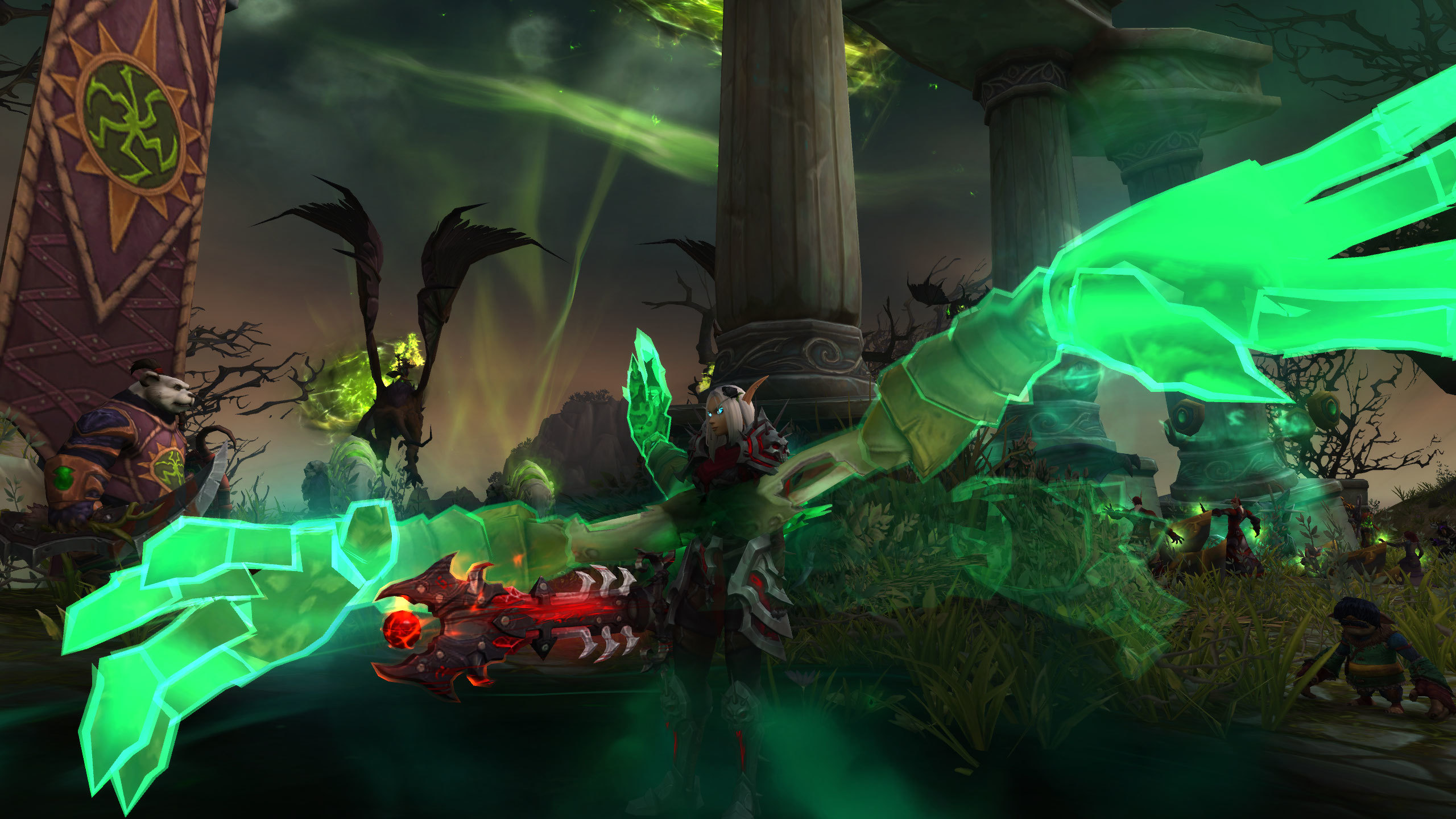
Dungeon Mob Pathing Manipulation Becomes the Control Tactic Separating Optimal Pull Routes from Unintended Detour Wipes
In high-end Mythic+ content, the tank’s role involves far more than merely securing…
-

Open-World Scaling Encourages Cooperative Play Among Strangers
Open-world scaling has made spontaneous cooperation both viable and rewarding. When enemies and…
-
How WoW’s Long-Term NPCs Reflect the Growth, Trauma, and Change of the Playerbase
Long-term NPCs have always served as emotional mirrors for the community. As players…
-

The Role of Reputation Rewards in Legion Remix Progression
Introduction. Reputation systems return in Legion Remix as a familiar yet rebalanced mechanic.…
-
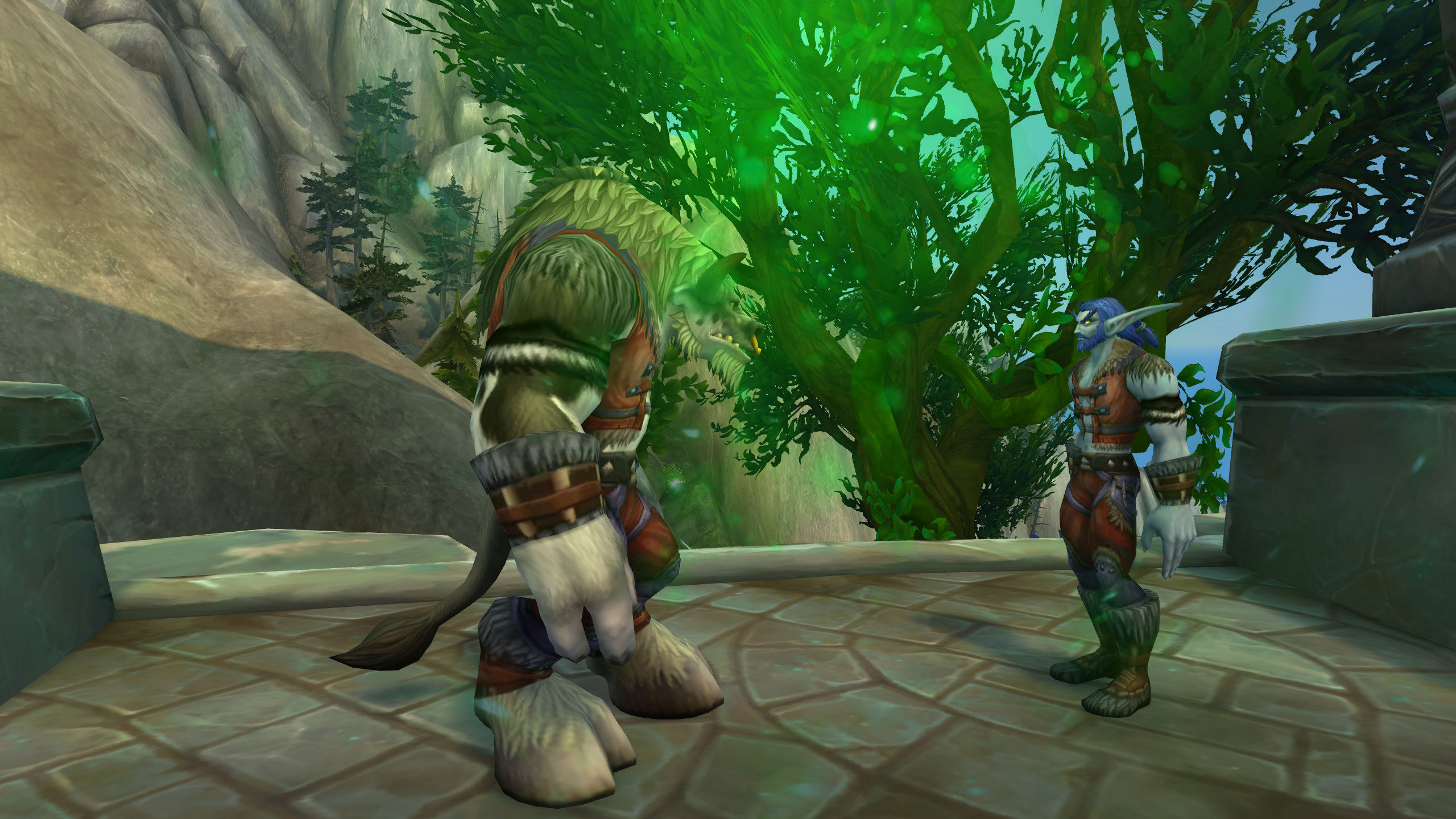
How Hero Talents Change Class Identity and Power Scaling in World of Warcraft
With The War Within expansion, World of Warcraft’s Hero Talents system has redefined…
-
Secrets Behind Warband Mechanics Explained
Why Warband Mechanics Are Revolutionary The Warband system in The War Within changes…
-
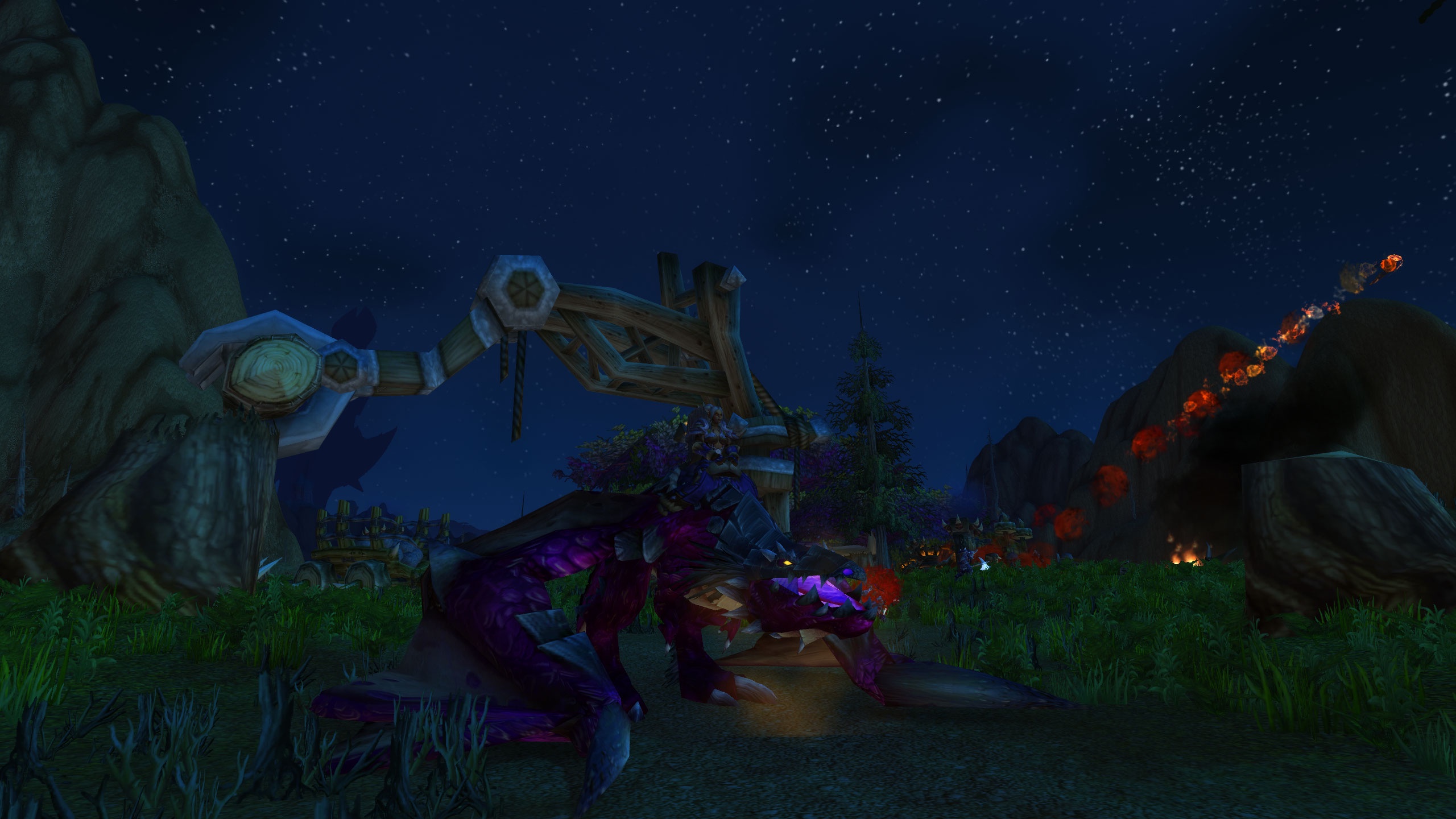
The Most Iconic Mounts in WoW History: A Look Back at Fan Favorites
World of Warcraft (WoW) has captivated players for nearly two decades, and one…
-
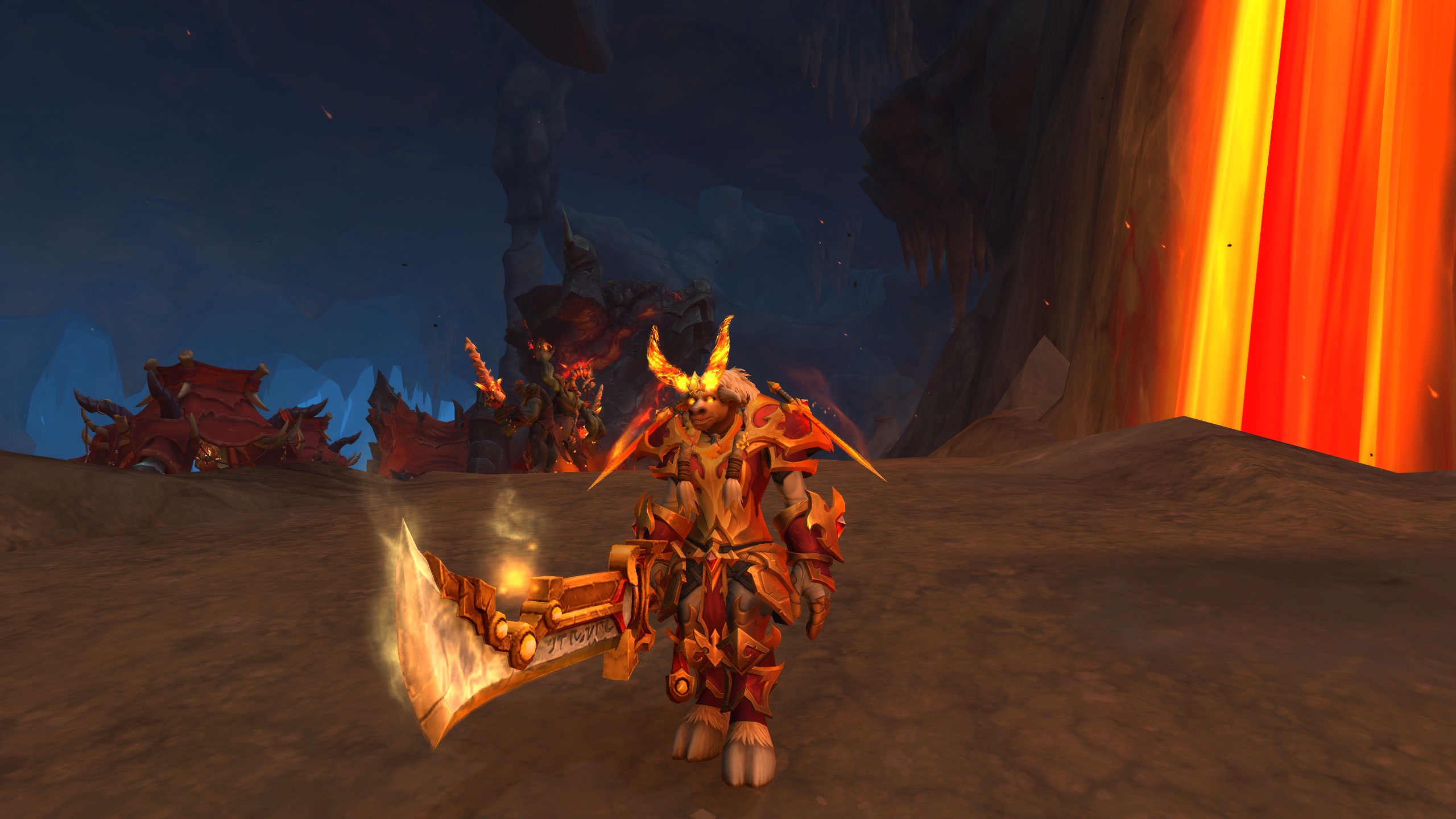
Lore vs. Gameplay: Balancing Story and Mechanics in WoW
Introduction World of Warcraft’s enduring appeal lies in its fusion of rich lore…
-

The Best Storylines in WoW That Weren’t in Raids
Introduction: WoW’s Rich Lore Beyond Raids While raids in World of Warcraft are…
-
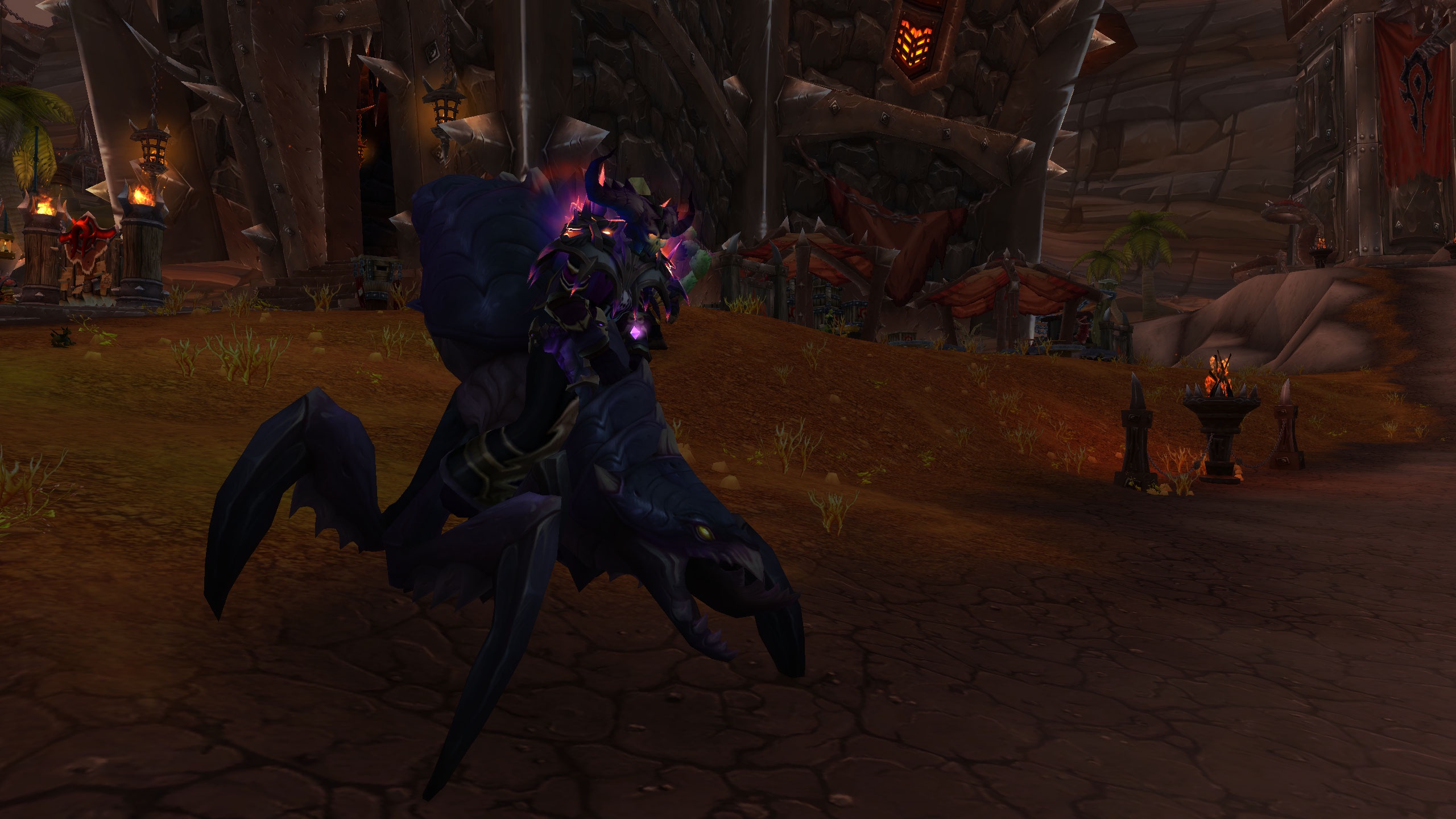
The Most Valuable WoW Items That Players Would Pay Millions For
Some items in WoW are so rare that players would pay staggering amounts…
-
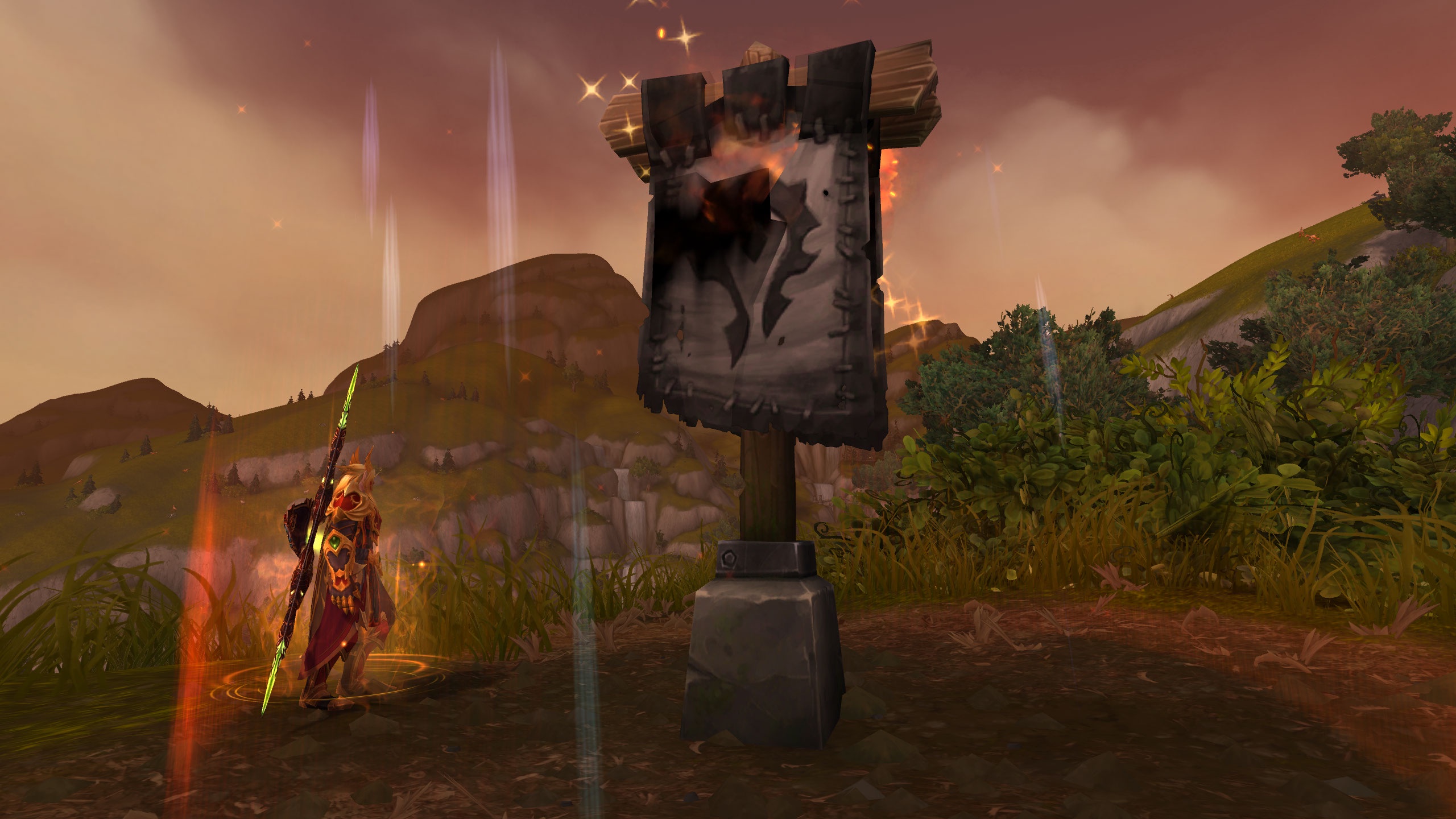
Exploring the Role of WoW’s Lore in Shaping Gameplay Mechanics
World of Warcraft’s deep and expansive lore is more than just storytelling—it directly…
-

The Bloodied Edge: Min-Maxing DPS for Raid Dominance in World of Warcraft
To dominate raids in World of Warcraft, you’ve got to min-max your DPS.…
-

Speed Up Your Growth with Buy MoP Classic Gold
Introduction World of Warcraft: Mists of Pandaria Classic offers many ways to enjoy…
Why Did I Decide To Start Blog?

Share My Passion
I launched this blog to share my deep passion for World of Warcraft, aiming to inspire and connect with fellow fans who love the game as much as I do.
Help Fellow Players
I wanted to create a go-to resource filled with detailed guides, tips, and strategies to help players improve their skills and enjoy their time in Azeroth.

Build a Community
My goal was to build a lively community where WoW players can connect, share their experiences, and support each other on their gaming journeys.
FAQs
Frequently asked questions
1. How can I contact You?
You can get in touch via email at info@ab-gaming.com or through my social media channels on Twitter, Instagram, and Facebook.
How do I subscribe to the newsletter?
To subscribe, simply enter your email address in the subscription box located on the website’s homepage or contact page.
Where can I find Your latest updates?
You can find my latest articles and updates on blog at ab-gaming.com, as well as on my social media profiles.
Do you offer one-on-one coaching for World of Warcraft?
Currently not, but i will be happy to provide advice and answer questions via email or social media.
How can I support Your work?
You can support me by sharing articles, following me on social media, subscribing to my newsletter, and engaging with my content.
How often does you publish new content?
Regularly. Follow me on social media and subscribe to the newsletter to stay informed about new posts.
Got more questions? Get in touch →
Subscribe to Newsletter
Subscribe to our newsletter!
Buy WoW Classic Gold for a PvP Endgame
Introduction
Endgame PvP in WoW Classic demands peak performance and quick access to the best gear, enchants, and consumables. Every second counts in battlegrounds and arena matches, and falling behind on gear can mean the difference between victory and defeat. Buying WoW Classic Gold gives you the means to jump straight to top‑tier equipment and support items without spending weeks farming honor or farming materials. You cover the cost of key pieces—like weapons with high spell power or resilience armor sets—so you enter PvP rounds fully prepared. This not only saves time but lets you focus on improving your tactics and teamwork rather than grinding for silver and honor points.
With enough bought gold, you can purchase weapons or off‑hand items that offer the highest DPS or healing output, and armor pieces that boost stamina and resilience. You can stock up on battleground‑specific consumables like Free Action Potions to break slows or Swiftness Potions to chase fleeing targets. You also cover travel costs by unlocking flight paths near battleground entrances and training top‑rank PvP skills as soon as they become available. Each of these steps involves a clear gold cost, and buying that gold lets you clear each preparation hurdle instantly. Instead of waiting for the weekly honor cap or saving for patterns, you enter PvP with your preferred build and gear already in place.
This guide walks you through the key moments when buying gold for PvP pays off most. We cover which gear slots to focus on, the top enchants and gems for battleground stats, essential consumables, and choices between farming honor versus buying tokens. You’ll learn how to budget your gold for a full PvP season and test upgrades to ensure each spend boosts your win rate. With a clear plan, bought gold becomes a tool that sharpens your PvP performance and keeps you competitive at the highest levels.
Key Gear Slots for PvP
In endgame PvP, certain gear slots deliver the biggest impact on your performance. Weapons and off‑hands top the list: a high spell power staff for a mage or a quick one‑hand sword and shield combo for a rogue can dramatically alter your kill speed and survivability. Armor pieces that add resilience and stamina—such as chest, legs, and helmet—reduce incoming critical damage and increase your health pool, letting you survive burst attacks and outlast opponents. Trinkets with on‑use or on‑hit effects, like those granting damage spikes or crowd‑control immunity, can swing a fight in your favor when timed right.
To upgrade these slots quickly, use bought gold to scan the Auction House for ideal items. Focus on pieces that meet or exceed PvP stat goals: for example, chest armor with over 200 resilience and 100 stamina, or a weapon with at least +50 spell power. If you find a suitable item listed under your gold‑per‑hour rate, buy it immediately to lock in the deal. Vendor blues can fill gaps if Auction House prices spike, so check both sources before committing gold. Aim to allocate roughly 40 percent of your PvP gold budget to these core slots, since they produce the largest power jump per coin spent.
Filling these priority slots early keeps your gear level competitive and prevents you from facing match‑ups with worse gear. With weapon, armor, and trinket upgrades in hand, you maximize your class’s strengths—burst damage, sustained healing, or crowd control—and minimize weaknesses. This focused gear spend ensures every gold bought has a direct impact on your arena rating or battleground score.
Enchants and Gems for Battlegrounds
After you secure gear upgrades, enchants and gems offer the next layer of power boosts. Top weapon enchants for PvP include Crusader, which adds on‑hit strength procs for melee classes, and Lifestealing, which restores health on damage. Both cost around 2–3 gold each but deliver clear gains when every swing counts. Armor enchants—such as Superior Stamina on bracers and Greater Resistance on chest—further reduce your downtime and improve your ability to survive in prolonged fights. Helmet enchants like Greater Intellect help spellcasters maintain mana reserves for clutch heals or damage bursts.
Gems fill socketed gear slots and let you fine‑tune stats. Resilience gems—such as Enduring Soulstone (adds +8 resilience)—are essential for reducing critical hit damage. Stamina gems boost health pools, and meta gems like Insightful Earthstorm Diamond add all‑stat bonuses when above a health threshold. Buying stacks of these gems on the Auction House ensures you never run out before a battleground session. At typical prices, a set of five resilience gems costs about 10 gold, while a meta gem runs 5 gold—but the survival benefit in close matches justifies the spend.
Use your gold budget to cover these upgrades after core gear purchases. Allocate roughly 20 percent of your PvP funds for enchants and gems. Check prices at daily reset and buy when costs dip below average. Apply enchants at an enchanter NPC and socket gems before queuing for your first match. These boosts stack with your gear, giving a clear edge in damage output and damage reduction that can turn the tide in even-numbered skirmishes.
Consumables and Buffs for PvP Rounds
Success in battlegrounds and arena matches often hinges on using the right consumables. Potions, elixirs, and food buffs give you short‑term stat boosts or emergency escapes that can turn a losing fight into a win. Stock up on the following key items before each PvP session:
- Free Action Potion: Breaks slows and roots for 25 seconds.
- Swiftness Potion: +30% movement speed for 15 seconds.
- Major Healing Potion: Restores 750–1125 health instantly.
- Major Mana Potion: Restores 750–1125 mana instantly.
- Elixir of the Mongoose: +25 Agility and +25 Critical Strike for 1 hour.
- Elixir of Fortitude: +250 Health for 1 hour.
- Smoked Desert Dumplings: +25 Strength or Agility per stack of 10.
Plan to carry at least five of each potion and ten stacks of buff food. Buying these in bulk on the Auction House typically costs between 3 and 5 gold total per session. To avoid downtime, stock your bank or mailbox with extras so you never miss restocking before a match.
Below is a table comparing cost and effect for each consumable:
| Consumable | Cost (gold) | Effect | Duration/Cooldown |
|---|---|---|---|
| Free Action Potion | 0.3 g | Immune to slows and roots | 25 sec / 60 sec CD |
| Swiftness Potion | 0.2 g | +30% movement speed | 15 sec / 60 sec CD |
| Major Healing Potion | 0.4 g | Restores 750–1125 health | Instant use |
| Major Mana Potion | 0.5 g | Restores 750–1125 mana | Instant use |
| Elixir of the Mongoose | 0.6 g | +25 Agility, +25 Crit Strike | 1 hour |
| Elixir of Fortitude | 0.4 g | +250 Health | 1 hour |
| Smoked Desert Dumplings | 0.2 g | +25 Strength or Agility (per stack of 10) | 1 hour |
Use these items to handle burst damage, kite opponents, or recover quickly between fights. Buying gold to cover the full cost of these consumables ensures you remain at peak performance throughout a PvP session, avoiding costly trips back to base for restock.
Honor Gear and Token Purchases
Earning enough honor and rank points to buy top PvP gear by farming alone can take many hours. By converting bought gold into honor tokens—or even buying rank items directly—you reach your preferred set faster. Key strategies include:
- Honor Point Converters: Some servers or communities let you trade gold for honor points at a fixed rate (e.g., 1 gold = 100 honor). Use this when honor queues are full or when you need a quick boost.
- Rank Rewards on Auction House: Rarely, players list purchased honor gear on the Auction House. A full Tier 0.5 set piece might cost 15–20 gold, but saves dozens of battleground wins.
- PvP Token Purchases: Convert gold into tokens like Field Marshal’s Armaments by buying from other players, then redeem at vendors for Tier 1 or Tier 2 gear.
Use the table below to compare farming vs. buying options:
| Gear Tier | Honor Needed | Gold Equivalent | Time to Farm Honor (hrs) | Benefit of Buying |
|---|---|---|---|---|
| Tier 0.5 (Entry) | 3,000 hp | 10–12 g | 10–15 | Instant set completion |
| Tier 1 (Mid) | 12,000 hp | 40–50 g | 40–60 | Skips weeks of farming |
| Tier 2 (High) | 32,000 hp | 100–120 g | 100–150 | Immediate top stats |
Focus your gold on the tier that blocks your progression. If you already have entry gear, skipping directly to mid‑tier can improve your win rate significantly. Buying tokens or rank items lets you compete with players who have spent hours farming honor, giving you a clear edge in competitive brackets.
Travel and Training for PvP Areas
Quick access to battlegrounds and up‑to‑date skills is essential for staying competitive. Bought gold covers both travel costs and training fees so you never miss a match or fall behind on your talent build. Key points:
- Mount and Flight Path Setup: Unlock flight paths near battleground entrances (e.g., Arathi Basin, Warsong Gulch) and purchase Apprentice Riding (5 gold 80 silver) at level 40.
- Hearthstone Binds: Reset your hearthstone at the battleground’s nearest inn for a fast return. Silver fees are minimal but add up if you change often—buy gold to cover those binds.
- PvP Skill Training: Each new rank of a key PvP ability (e.g., Rank 9 Frostbolt, Rank 5 Execute) costs 2–3 silver at early levels, rising to 2–3 gold at max level. Use bought gold to train immediately when you hit the level requirement.
List of travel and training costs:
- Apprentice Riding + Mount: 5.8 gold total
- Level 60 Training Fee for Major Spell: ~2 gold per rank
- Flight Path Unlock (per hub): ~0.1–0.3 gold
- Hearthstone Reset: 0.02 gold each bind
Splitting a portion of your PvP gold fund—about 10–15 percent—into travel and training ensures you never delay your entry into battle or your skill upgrades. This steady access keeps you sharp and ready for every match, maximizing the return on the rest of your gold‑driven preparation.
Testing and Adjusting Your Setup
Even the best gold‑driven preparation must be validated in real matches. Set up a testing routine: after each gear or consumable purchase, run a few practice duels or low‑rank battlegrounds and track your personal stats. Use simple metrics like average damage per second, healing per second, or time to kill a target. If a new enchant increases your DPS by at least 5 percent, it justifies its gold cost; if not, consider swapping to a different enchant or gem.
Keep a log of each change: gear swap, enchant, gem, consumable, or service run. Note the gold cost, the date, and the measured performance difference. Over time, this log reveals which buys give the best return on investment and which fall short. Drop repeat purchases of low‑impact items and redirect gold into proven winners. This iterative approach ensures each gold you spend further sharpens your PvP edge rather than chasing diminishing returns.
You can also A/B test setups by queuing simultaneously on two characters with different configurations—one with a high‑cost enchant and one without. Compare win rates or kill counts over multiple matches. This controlled comparison shows where your gold buys pay off most. Regular testing keeps your spending aligned with actual performance gains, so you maintain a competitive edge without wasting gold on upgrades that only look good on paper.
Conclusion
Buying WoW Classic Gold for endgame PvP helps you bypass long honor grinds, farm runs, and rare recipe farming, putting you directly into high‑impact gear, enchants, and consumables. By focusing on core gear slots first, then enchants and gems, followed by essential consumables and buff recipes, you build a setup that maximizes your damage, survivability, and utility in every match. Timing your purchases around market lows, budgeting across the season, and testing each change in practice runs ensure each gold spent boosts your win rate.
With a clear budget split and a performance‑driven testing routine, bought gold becomes a strategic tool rather than a crutch. You still play the game and learn the mechanics, but you avoid time sinks that don’t improve your skill or teamwork. Follow these steps to invest your gold smartly, refine your PvP loadout, and stay ahead of the competition all season long. Good luck, and see you on the battlefield!