Introduction
World of Warcraft’s enduring appeal lies in its fusion of rich lore and engaging gameplay. Yet designers constantly wrestle with tension: how to honor narrative integrity without compromising fun mechanics, or vice versa. From the debates over Hero Talents in Mists of Pandaria to the lore‑driven zones of Dragonflight, this article examines the interplay between story and systems, the compromises made, and strategies for players to appreciate both facets without sacrificing immersion or challenge.
When Story Drives Mechanics
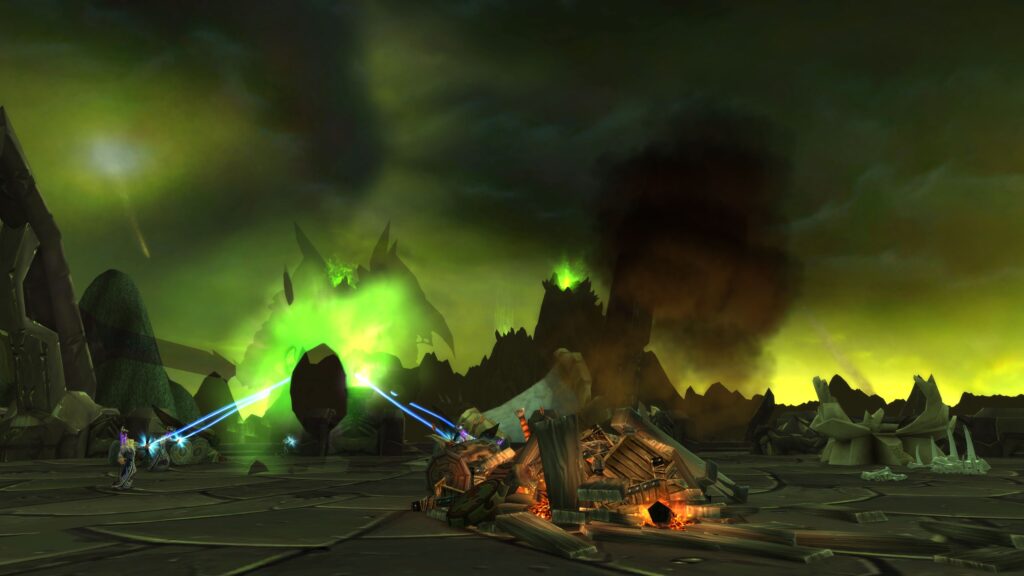
At times, lore dictates gameplay: the introduction of the Palladium Heart in Shadowlands aligned with stories of anima shortage, manifesting as a new resource bar for all players. Similarly, Dragonflight’s cinematic quest series culminates in dragonriding—a mechanic born from narrative emphasis on Dracthyr mobility. Such integrations can deepen immersion, but risk alienating players more interested in streamlined systems. Success hinges on pacing: gradual tutorialization of mechanics within story beats ensures players absorb both context and controls.
When Mechanics Shape Story

Conversely, gameplay innovations sometimes write the story. Mythic+ Affixes, initially a mechanical challenge, spawned narrative justification around blood curses and arcane anomalies. The popularity of transmog drove in‑game fashion contests and even NPC vendor stock updates to reflect player‑driven trends. These emergent narratives demonstrate a feedback loop: player behavior informs lore expansions, creating a living world that evolves with its community.
Trade‑Offs and Player Experience
Balancing act challenges include:
- Accessibility vs. Depth: Story‑heavy zones may slow leveling; complex mechanics may intimidate lore‑focused roleplayers.
- Continuity vs. Innovation: Retrofitting new systems into legacy zones can break narrative consistency, while maintaining lore purity may produce stale gameplay.
- Global Events vs. Player Agency: World‑shaking lore events can render player actions inconsequential, yet too much sandbox freedom dilutes epic narratives.
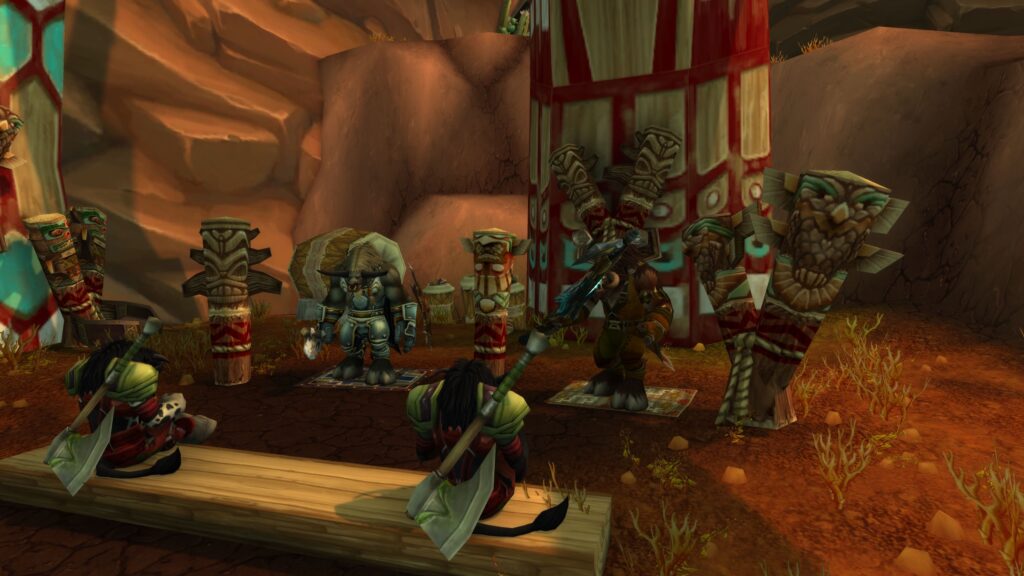
Designers mitigate these tensions through phased rollouts—introducing story cutscenes before launching new systems—and sandbox elements, like player housing, that allow personal storytelling alongside the main narrative.
Conclusion & Balance Framework
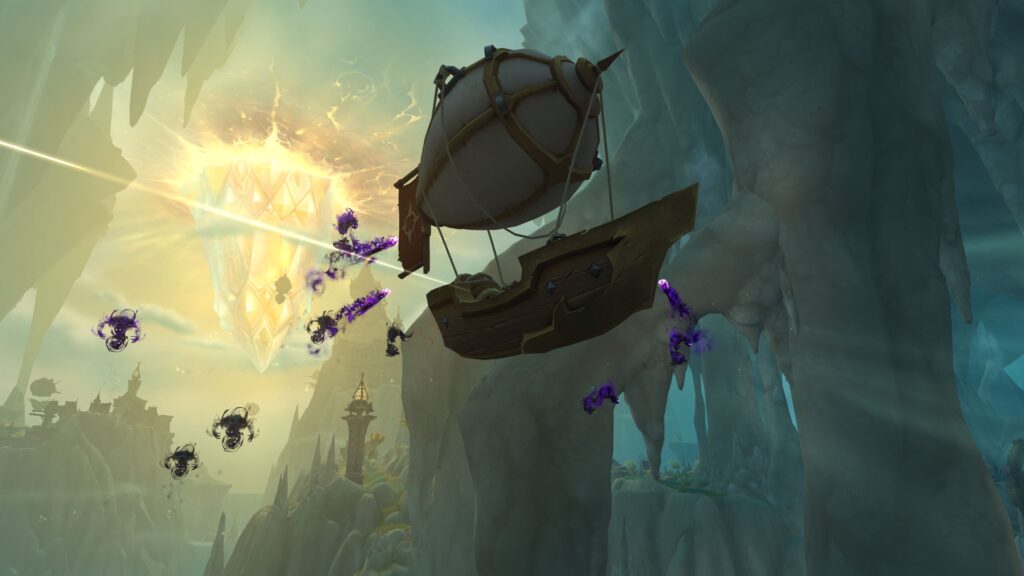
The dynamic between lore and gameplay is neither static nor zero‑sum; it thrives on dialogue between developers and players. By recognizing the merits and pitfalls of each direction, designers can craft experiences that resonate emotionally while remaining fun to play. Players, in turn, can seek out content that aligns with their priorities—be it deep narrative quests or cutting‑edge mechanics—knowing both are integral to WoW’s success.
Story vs. Gameplay Balance Matrix
| Dimension | Story‑First | Gameplay‑First | Ideal Blend |
|---|---|---|---|
| Zone Design | Thematic quests, lore text | Optimized mob spawns, efficient paths | Layered narrative objectives with clear routing |
| Mechanics Introduction | Cutscenes, dialogues | Tooltips, in‑game tutorials | Tutorials embedded in story missions |
| World Events | Cinematic story shifts | Dynamic world bosses | Interactive events with story framing |