
Just as you’ve grown and adapted over the years, so have the character classes in World of Warcraft. You’ve witnessed firsthand the transformation of these archetypes, evolving from straightforward skill sets to the complex systems that challenge even the most seasoned adventurers today. You might recall the simplicity of the early days when choices were more limited, and the path of a class was well-defined. But as expansions rolled out, each class began to boast a level of depth and customization that you hadn’t seen before. This intricate evolution has undoubtedly shaped your experience, whether you’re a battle-hardened veteran or a curious newcomer. And as you stand on the precipice of the next chapter, you’re likely wondering what lies ahead for these classes that have become such an integral part of your virtual identity. Join us as we examine the pivotal moments that have defined the classes of World of Warcraft, and look ahead to what the future may hold for them.
Origins of Class Archetypes
Tracing back to the origins of class archetypes in World of Warcraft reveals a rich tapestry of fantasy influences that have shaped the roles you can play today. The character classes you’re familiar with, from the stealthy Rogue to the mystical Mage, have their roots in the lore and gameplay of Warcraft III. Here, iconic figures like Illidan Stormrage introduced you to the concept of Demon Hunters, a class combining DPS prowess with chaotic magics.
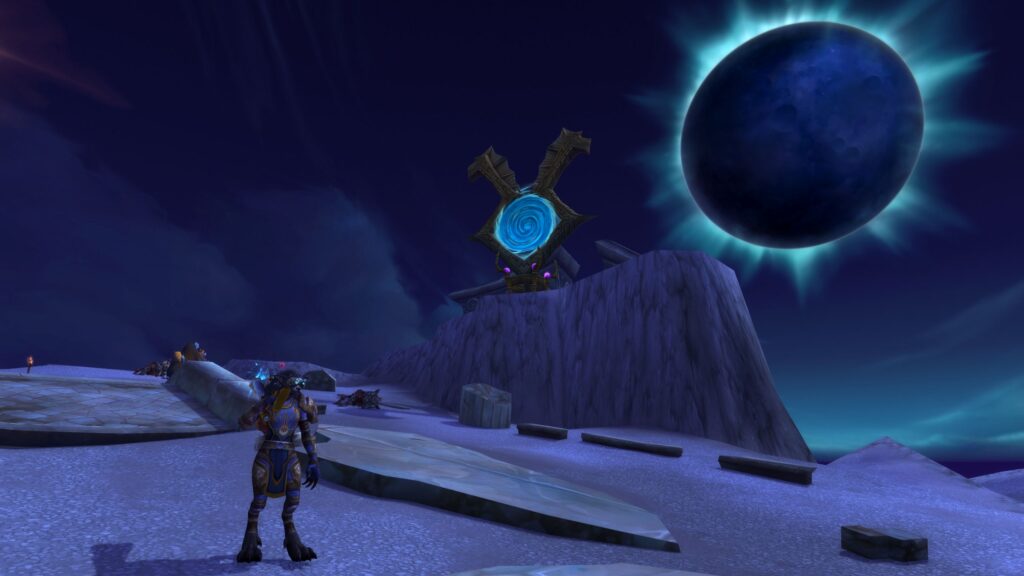
When you first stepped into Azeroth, capital cities buzzed with talk of Death Knights and their dark powers. Jeff Kaplan and his team at Blizzard Entertainment intricately wove talent trees that allowed you to customize your combat role, whether you were drawn to the arcane or the art of war. As a DPS class, you’d focus on dealing impressive amounts of damage, using magical abilities to decimate foes.
Each class carried a distinct flavor of fantasy, pulling you deeper into the game’s immersive world. The evolution of these archetypes has been a journey of balancing power with fantasy, ensuring that whether you wield a sword or conjure fire, you feel uniquely potent and pivotal in every battle you join.
Major Class Overhauls
While you’ve seen how class archetypes originated, it’s important to explore the major overhauls that have redefined them throughout World of Warcraft’s history. You might remember the early days when talent trees were vast and varied, offering you a plethora of ways to customize your character. But with the release of the Cataclysm expansion, Blizzard streamlined these trees to make choices more impactful and less overwhelming.
Then came the Mists of Pandaria expansion, which introduced the concept of specializations becoming more distinct, essentially creating sub-classes within each class. You weren’t just a Priest; you could be a Discipline Priest with a unique toolkit separate from your Holy and Shadow counterparts.
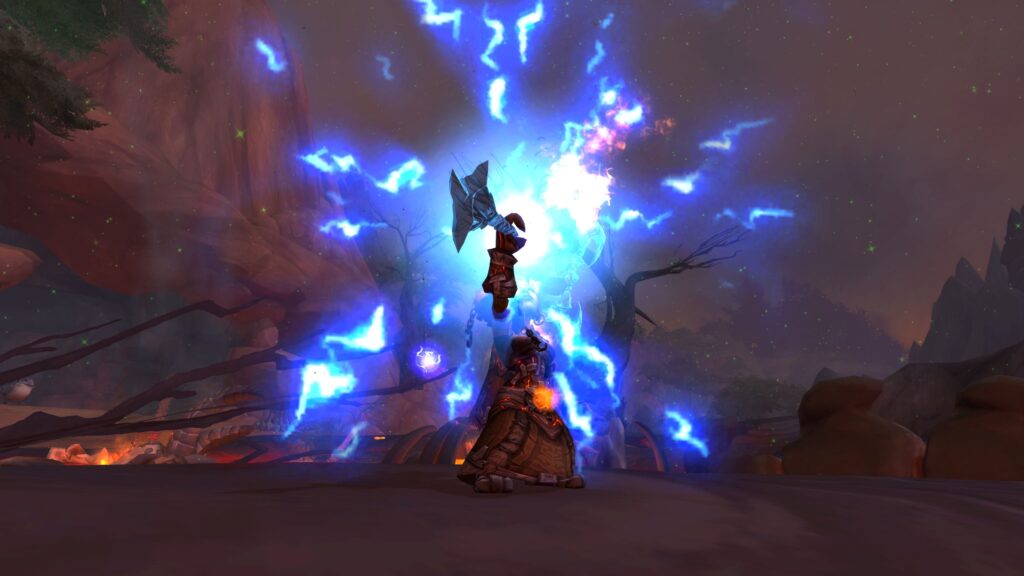
In Legion, the class overhaul went even further with the introduction of class-specific campaigns and Artifacts, weapons with their own progression systems that further defined your role. You’ve wielded Ashbringer as a Retribution Paladin or Thas’dorah as a Marksmanship Hunter, each with abilities and appearances that felt unique to your class’s lore.
The most recent expansions have continued to refine and balance classes, ensuring that each one offers a distinct playstyle and aesthetic. As you’ve adapted to these changes, you’ve seen your favorite classes retain their core identity while evolving in new and exciting ways.
Expansion-Driven Class Changes
Every expansion in World of Warcraft’s history has brought significant changes to the game’s classes, directly affecting how you play your favorite characters. These updates keep the gameplay fresh and challenging, but it also means you’ve got to stay on your toes to master the evolving mechanics. Let’s dive into how these expansions have reshaped your class experience:
- Talent Overhauls: Significant talent tree revamps have occurred, particularly in expansions like Cataclysm and Legion, forcing you to rethink your character’s build and adapt your playstyle to new synergies and abilities.
- New Abilities and Class Mechanics: Each expansion often introduces new abilities or alters existing ones. For instance, Mists of Pandaria brought the Monk class with its unique Chi resource system, and Warlords of Draenor introduced the concept of class-specific garrisons.
- Stat Squish and Itemization: To manage the power creep, expansions like Warlords of Draenor and Battle for Azeroth implemented a ‘stat squish,’ simplifying the numbers on gear and abilities to make them more manageable and understandable.
- Class-Specific Quests and Content: Starting with Legion, class-specific campaigns and order halls added a new layer of depth, offering you a unique narrative and rewards that reflect your class’s lore and role within the game.
Adapting to these changes can be daunting, but it’s part of what makes World of Warcraft perpetually engaging. You’re always learning, always growing, and with each expansion, your character evolves in new and exciting ways.
Class Balancing Acts
In the perpetual quest for fairness, WoW’s class balancing acts as a pivotal element in ensuring each player has a fighting chance in both PvP and PvE scenarios. You’ve seen classes rise and fall in prowess with every patch, hotfix, and expansion. Balancing is a dance, with developers tweaking numbers, abilities, and mechanics to maintain a level playing field.
You might’ve experienced the frustration when your favorite class takes a hit in the balance updates. It can feel like you’re being forced to adapt or switch classes just to stay competitive. On the other hand, when your class gets a boost, the game feels fresh and you’re eager to test out your strengthened character.
Blizzard’s balancing efforts aren’t just about individual classes, though—they also have to consider how classes interact with each other. It’s a complex puzzle, making sure no single class can dominate the rest. You’ve seen new class abilities introduced that shake up the meta, and sometimes, it’s these changes that keep you hooked, as you discover novel strategies and synergies.
Future Class Development Trends
Looking ahead, you’ll notice WoW’s class development increasingly focusing on distinctive playstyles and specialized roles to enhance group dynamics and individual player satisfaction.
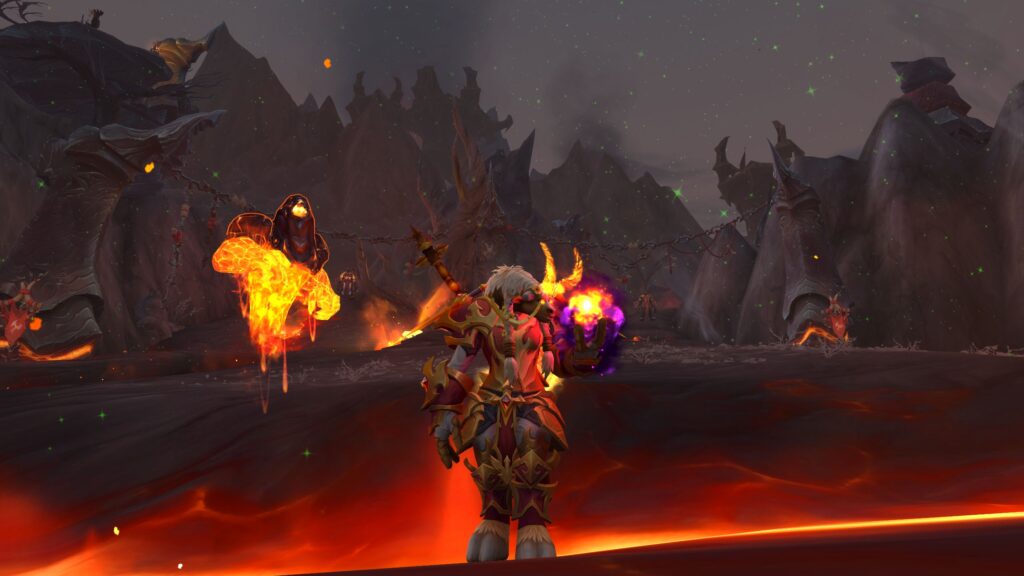
As you delve deeper into the future of class design, you’ll see this philosophy manifesting through several key trends:
- Hybrid Flexibility: Developers are likely to continue blurring the lines between pure and hybrid classes, allowing you more freedom to switch roles within a single class. This means you won’t always need to change your character just to fill a different role in your group.
- Customization and Choices: With future expansions, expect even more in-depth customization options for your characters. You’ll be able to tailor abilities and talents to better suit your individual playstyle and the needs of your team.
- Narrative Integration: Your class choice will become more intertwined with the game’s lore and storyline. You’ll find that your character’s class will have a bigger impact on the quests you undertake and the choices you make within the game world.
- Technological Enhancements: Advances in game technology will provide you with smoother and more complex class mechanics. You’ll experience a more intuitive gameplay, with classes reacting in real-time to dynamic in-game scenarios.
Embrace these changes, as they’re designed to give you a richer, more immersive gaming experience.
Frequently Asked Questions
How Have Player Preferences in Choosing Classes Shifted Over the Different Expansions of World of Warcraft?
As you’ve ventured through Azeroth, you’ve seen trends shift; certain classes rose in popularity with new expansions, while others waned, influenced by balance changes and the shifting tides of the game’s meta.
What Role Has the World of Warcraft Community Played in Influencing the Development or Revision of Character Classes?
You’ve shaped WoW’s classes through forums and feedback, pushing developers to tweak and overhaul, ensuring gameplay stays fresh and balanced. Your voice matters in this ever-evolving fantasy world.
Can You Detail Any Scrapped Class Concepts or Abilities That Were Considered During the Game’s Development but Never Implemented?
You’ve stumbled upon a treasure trove of might-have-beens! Blizzard once toyed with the idea of a “Spellbreaker” class and abilities like “Eyes of the Beast,” but they never saw the light of Azeroth.
How Has the Introduction of Class-Specific Content, Such as Quests and Storylines, Evolved Throughout the Game’s History?
You’ve seen class quests and storylines grow richer, offering unique experiences that deepen your character’s role in the game’s ever-expanding lore, making your journey through Azeroth more immersive with each update.
What Impact Has the Cross-Over of Classes From Other Blizzard Games, Like Hearthstone or Heroes of the Storm, Had on World of Warcraft’s Class Design and Popularity?
You’ve hit the nail on the head asking how Hearthstone and Heroes of the Storm influenced WoW’s classes. They’ve spiced up class design and boosted popularity by sharing cool features and familiar heroes.